|
BUDDY FROM BROOKLYN © ™
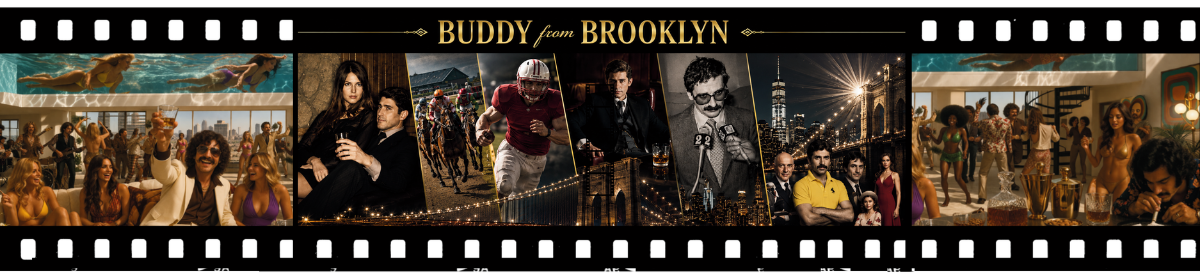
Buddy from Brooklyn © ™ is a major motion picture project produced by Luxury Chamber Media Group, a boutique media, entertainment, publishing, and public relations company developing bold, culturally driven stories, luxury events, celebrity campaigns, and proprietary magazine brands. |
EXPLORE
HOME |
CAST |
SCENES |
CHARACTERS
KISMET | MERCH | SCRIPT | HORSE RACING CHRONICLE | NEWS | CONTACT | SOCIAL MEDIA |
|
LUXURY CHAMBER MEDIA GROUP PUBLICATIONS
SOUTH FLORIDA magazine |
SOUTHWEST FLORIDA magazine |
GOOD JEWISH NEWS magazine |
Mondo Italiano Magazine |
LATIN SOUTH FLORIDA magazine |
MEDITERRANEAN magazine
© 2025–2030
Luxury Chamber Media Group.
All Rights Reserved. |
Privacy Policy
|
|