Ogden Phipps Character Profile Page
Ogden Phipps born November 26, 1908 stands as the embodiment of old-guard American racing aristocracy—measured, patrician, and quietly powerful. Born into the storied Phipps family, he operated not just as a horse owner but as a steward of tradition within the elite corridors of the The Jockey Club. Where men like Buddy Jacobson thrived on hustle and instinct, Phipps represented lineage, protocol, and the unspoken rules of a sport long governed by its upper crust.
In demeanor, Phipps was composed and deliberate, rarely raising his voice, preferring influence over confrontation. Yet beneath that polished exterior lived a fiercely competitive spirit and an expectation that the system—his system—would hold. He bred horses, not just for profit, but for legacy, viewing the racetrack as an extension of heritage rather than a battleground of opportunists.
The 1963 Belmont Futurity exposed the fault line between these two worlds. Phipps bred Bupers, a horse of promise shadowed by a concealed vulnerability—a serious back issue that altered the colt’s temperament and performance. When Jacobson purchased the horse privately for $16,500, preserving its eligibility for the race, it was a move that blended street smarts with strategic brilliance. Phipps, by contrast, had played the game by older rules—quietly, perhaps too quietly—failing to disclose the injury.
On race day, chaos unfolded. Bupers surged, faltered, and surged again—his instability nearly costing the race as jockey Avelino Gomez fought to stay mounted after a stirrup broke mid-stretch. Against all odds, they held on and won. It was a triumph not just of horse and rider, but of Jacobson’s calculated gamble.
For Phipps, the moment was humiliation wrapped in spectacle. As the crowd celebrated, he turned and stormed out—an uncharacteristic crack in an otherwise impenetrable façade. The next day’s headline, “Ogden Flips,” immortalized the rare glimpse of emotion from a man who built his identity on control.
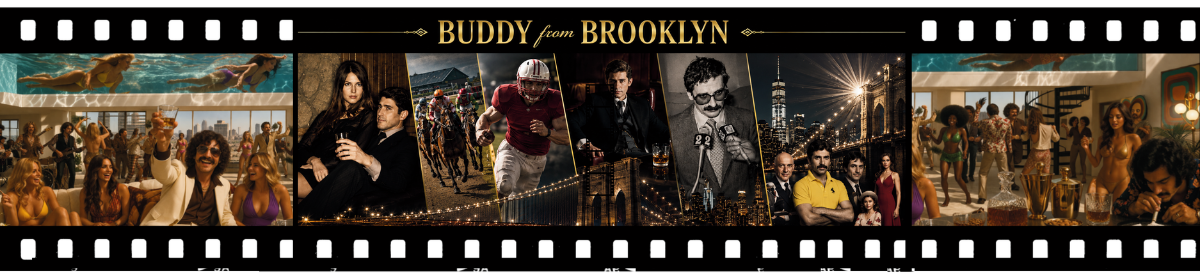
In the narrative of My Buddy from Brooklyn, Ogden Phipps functions as more than an antagonist—he is the symbol of a fading establishment, challenged by a new breed of operator unwilling to bow to tradition. His clash with Jacobson is not personal alone; it is philosophical. Legacy versus leverage. Pedigree versus instinct. And in that Belmont stretch, for one fleeting moment, the old guard lost its footing.